

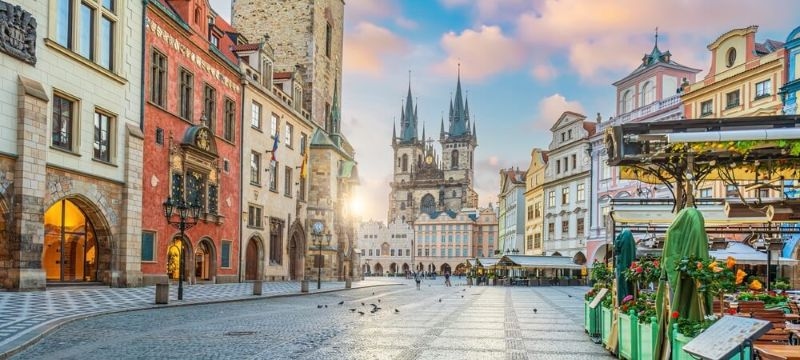
Walk around Prague for just a few hours, and you'll start to feel it—there’s something different in the air. The streets have this way of whispering old secrets. Towers lean toward the sky, and stone bridges carry more than just footsteps. They carry stories.
Sure, Prague is beautiful. But more than that, it’s layered. Every corner shows off centuries of shifting power, culture, and identity, all rooted in Bohemia. Royal castles, quiet churches—they’re everywhere, and they don’t just decorate the city. They tell you how the region changed, from kings to empires to revolutions. If you want to see history that actually feels alive, not just trapped behind glass, Prague has something special. Here’s where to find it.
To get Bohemia, you have to begin in Prague. This city used to be the beating heart of the Kingdom of Bohemia, and you can still feel that in its landmarks. They’re not just old stones; they’re chapters in a massive story.
Let’s start with the obvious: Prague Castle. You can’t miss it. It looms over the city and, honestly, it should. This place was home to Bohemian kings, Holy Roman Emperors, and now the Czech president. All crammed into one spot.
Inside, you get royal palaces with architectural styles from every age. Some government buildings are still going strong today. And there are historic courtyards thick with ceremony. The castle isn’t just one building. It’s grown, bit by bit, across the centuries—like Bohemia itself, always shifting, expanding, changing.
Inside the castle, you’ll run into St Vitus Cathedral. It looks like something out of a fairy tale, and for good reason: this Gothic cathedral is where Bohemian kings were crowned and buried. Charles IV—one of the biggest names in Czech history—rests here. If you’re into church architecture or royal drama, this place hits both.
Walk away from the castle, cross the Vltava River, and you end up in Old Town. This is where Prague really buzzes—it’s full of life, but still holds onto its centuries-old character.
Old Town Square has been the center of Prague's life for ages. It’s seen markets, parties, fierceness, and even public executions. All that energy, joy, and tension shaped the city’s spirit.
Here’s a crowd-pleaser: the Astronomical Clock on Old Town Hall. It’s one of the oldest working clocks in the world, up since the 1400s. But it does a lot more than just tick.
It tracks the stars’ movement, the zodiac, the date—and every hour, a little parade of mechanical figures puts on a quick show. People still gather to watch, centuries after it was built.
Not everything’s about power and politics. Prague’s got a softer side, too—its landmarks tell stories about culture, art, and the city’s soul.
Charles Bridge isn’t just a way over the river. Built in the 1300s under Charles IV, it connected the castle with Old Town, tying the city together. Merchants, rulers, travelers—all crossed here, making the bridge a symbol of unity.
The Jewish Quarter, or Josefov, is another layer. It’s quieter, more thoughtful. Synagogues, the deep shade of the Old Jewish Cemetery, and museums all share the story of Prague’s Jewish community, which stretches back centuries. Walk through here, and you feel the weight of memory.
Prague is packed with grand churches and hidden castles, each hinting at another slice of history.
Vysehrad sits quietly on a hill—not a top tourist stop, but that’s part of its magic. Legends say it was the seat of Czech rulers before the castle ever existed. Now, it’s home to old fortifications, a calm cemetery with Czech heroes, and some incredible city views. It’s reflective, peaceful—a place to step back in time.
Back in Old Town, the twin spires of the Church of Our Lady before Tyn jump out at you. It’s classic Gothic, dramatic and bold, and it carries the scars and stories of religious struggles, especially during the Hussite era.
Prague hasn’t had a smooth ride. It’s seen revolutions, occupations, moments of courage and fear.
Wenceslas Square looks less like a square and more like a wide street, but a lot has happened here. Nazi protests, communist demonstrations, and the Velvet Revolution—major turning points all played out on these stones. You stand there and realize history isn’t just centuries back—it’s recent.
At the top of Wenceslas Square, the National Museum looks down over the city. Inside, you’ll find everything from fossils to exhibits on political changes. But mostly, the museum helps you fit the puzzle pieces together, showing how Prague’s story keeps evolving.
Lots of European cities are old. But Prague? It’s different because it invites you in. Here, history mixes with daily life. Locals rush to work past buildings older than most countries. Cafes fill rooms that have seen centuries come and go.
That’s why visiting Prague’s past feels so real:
You don’t just watch history behind glass. You walk through it.
Prague isn’t a city you just visit. You read it, almost like a living novel. Prague Castle, Old Town Square, Charles Bridge, Josefov—each spot adds a new page to Bohemia’s story. Some places are about power. Others about culture, or resistance, or community. All together, they create a narrative that still matters right now.
Take your time here. Wait. Watch the people, notice the details, see those patterns. Prague reveals itself to anyone who pays attention.
Spring and early fall are ideal because the weather is mild and crowds are smaller than in peak summer. This makes walking between Prague history sites more comfortable and enjoyable.
A well-planned three to four-day trip usually covers the main landmarks. This allows time for Prague castles and churches, Old Town Prague attractions, and a few lesser-known sites.
Yes, especially for first-time visitors. A knowledgeable guide can explain historical context, point out hidden details, and connect different Bohemian landmarks in Prague into a clear narrative.
Absolutely. It’s safe, easy to navigate, and packed with museums, architecture, and great places to sit and watch the world. It’s a city built for exploring, no matter how you like to do it.
This content was created by AI